When You Should See a Dentist About Receding Gums
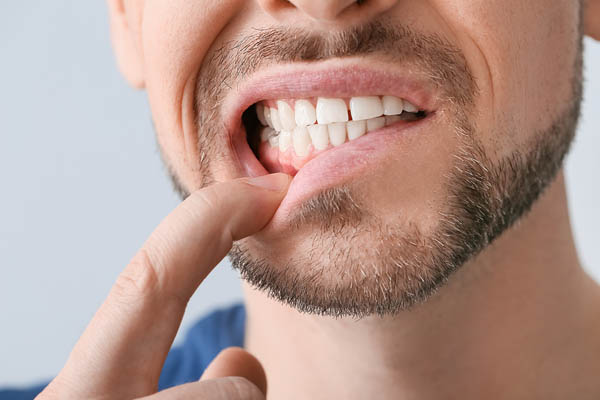
The National Institutes of Health conducted a survey about receding gums. The results show that half of the adults in America have at least one area of gum recession. This study shows how prevalent this condition is, yet many people do not know when to seek treatment. Additionally, many people do not understand the factors that contribute to the development of gum disease, how gum disease can contribute to poor overall health, and why gum disease should be addressed as early as possible.
When unaddressed, receding gums can contribute to pain, sensitivity, and the loss of teeth in severe cases. Many factors can cause gum recession, including gum disease, orthodontic treatment, and brushing with a hard-bristled toothbrush. Medical conditions such as diabetes, hormonal issues, immune deficiencies, and genetics may play a part in the development of gum recession as well. Patients must understand signs of receding gums and know when to visit a dentist. Fortunately, there are several treatments for receding gums that can potentially save your teeth from further issues.
3 signs a patient needs treatment for receding gums
There are a few obvious indicators that a patient has receding gums. Some of these symptoms are visual and can be easily seen by the patient, while others are only detectable upon examination by a dentist. The condition may be localized to one area of the mouth, or it may be widespread. When patients notice any of the following symptoms, they should consult with a dentist.
1. Sensitive teeth
One of the first signs of gum recession is teeth sensitivity. Patients may notice an uncomfortable sensation when drinking anything cold or when the air hits the teeth. This symptom comes on slowly and worsens over time. It is important to note that receding gums are not the only cause of sensitive teeth, but if you are not sure why your teeth are bothering you, it is a good idea to make an appointment with your dentist to determine the cause.
When gums recede, they expose the root of the tooth. This tooth layer is much more porous than enamel, making it extra responsive to temperature changes. To treat sensitivity caused by receding gums, dentists may recommend certain kinds of toothpaste or mouthwashes. In severe cases, a dentist may place a filling over the root surface. Alternatively, the patient may undergo a gum grafting procedure to cover the recessed areas.
2. Cavities at the gum line
Not only is the root layer of the tooth more sensitive than enamel, but it is also softer. Therefore, decay forms more quickly in this area of the tooth. Patients may notice dark spots at the gum line and should have these evaluated by a dentist. Do not assume that your tooth is simply stained as you may be overlooking a forming cavity in this vulnerable area.
In the early stages, treatment for these cavities is simple. To address these cavities, a dentist places a tooth-colored filling. To prevent further decay, the dentist may recommend gum grafting for any other susceptible areas of recession. Your plan will depend upon your overall oral health as well as the current state of your gum recession.
3. Loose teeth
A significant contributor to receding gums is periodontal disease, which is also known as gum disease. This condition destroys the tissue and bone supporting the teeth. In moderate to advanced stages of the disease, gums pull away from the teeth, which can cause tooth mobility. Many patients are not aware they have the disease until a moderate or advanced stage.
To treat periodontal disease, dentists and hygienists perform a treatment known as scaling and root planing. This procedure disrupts the disease-causing bacteria beneath the gums, allowing the gums to reattach to the teeth. Treatment cannot fully reverse the destruction caused by gum disease. Instead, the goal is to halt the further progression of the disease. It is crucial to closely monitor this condition with the aid of an experienced dentist.
Conclusion
While receding gums may not cause noticeable symptoms or aesthetic concerns for patients in the beginning stages, the condition can progress rapidly. Unfortunately, it may be impossible to reverse the damage caused by periodontal disease or other causes of gum recession if you do not treat it from the beginning.
Patients should seek treatment for gum recession as soon as possible. This condition is easiest to treat in the early stages. For those needing care for receding gums, set up a consultation with a dentist today. In the meantime, practice healthy habits such as brushing and flossing twice a day, reducing sugar in your diet, and avoiding foods and drinks that bother your gums.
Request an appointment here: https://www.alluredentalchicago.com or call Allure Dental at 3122487517 for an appointment in our Chicago office.
Check out what others are saying about our services on Yelp: Read our Yelp reviews.
Related Posts
Practitioners of general dentistry provide a comprehensive list of dental procedures for patients. Your general dentist is your primary dental caretaker. Dentists evaluate tooth and gum health and treat cavities, abscesses, and dental abnormalities. As part of preventative treatment, dental professionals also perform teeth cleanings.Regular dental cleanings remove plaque, stains, and tartar from your teeth.…
A lot of general dentistry care is focused on the prevention of tooth decay. It is a common issue, and one that can be reversible in the early stages; however, if left untreated, it can become serious. Knowing the signs of tooth decay and understanding the risks of not giving it the proper care can…
With all the information circulating about sugar, you may wonder if avoiding sweet treats entirely benefits your oral health. As any general dentistry office will likely tell you, cutting sugar from your diet can have a significant positive impact on your teeth and gums.Your mouth is full of bacteria. This is not an entirely negative…
It is widely known in general dentistry that some foods are better for the teeth and gums than other foods. Consistently eating foods that are bad for your teeth can, over time, lead to painful dental conditions that are often costly to treat. Fortunately, it is easy to avoid or reduce certain foods to lower…


