Reversing Gingivitis With Early Gum Disease Treatment
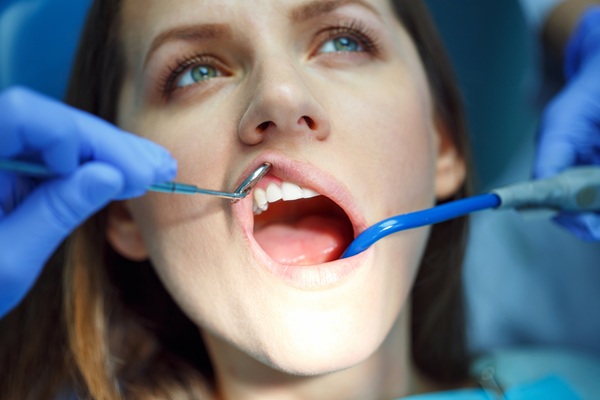
Seeking timely gum disease treatment can reverse the early effects of tissue inflammation before permanent damage compromises the foundational structures of the mouth. The initial phase of gum disease, known as gingivitis, develops quietly without causing significant physical pain or obvious distress to the patient. Our general dentist identifies these subtle tissue changes during routine dental examinations to protect the long-term vitality of the smile. Early intervention ensures that the soft tissues remain resilient, pink, and completely healthy for years to come.
Understanding the main causes of gingivitis
Gingivitis is the first stage of gum disease, primarily caused by the continuous accumulation of bacterial plaque along the gumline. Plaque is a sticky, colorless film that constantly forms on the enamel (the outer layer of the tooth) throughout the day. Failing to maintain routine oral hygiene allows this soft film to harden into a dense substance known as tartar, or calculus. Tartar binds tightly to the tooth surfaces and provides an ideal breeding ground for destructive oral bacteria. This can release harmful toxins that irritate the delicate gum tissues, triggering an immune response that causes swelling.
Recognizing the symptoms of early gum irritation
Recognizing the signs of gingivitis is the key to getting help before serious structural damage takes place. The most common indicators of this condition include:
- Noticeably puffy or red gums
- Localized gum tenderness
- Frequent gum bleeding during normal daily brushing
- Chronic bad breath
- Gums that appear overly shiny or too soft
Early gum disease treatment allows patients to adjust their oral care routine before the condition becomes irreversible. Ignoring these early indicators allows the bacterial infection to spread deeper beneath the visible gumline, complicating future care.
What happens during gum disease treatment
While a meticulous daily routine at home helps keep plaque under control, standard toothbrushes cannot remove tartar once it has adhered to the enamel. This rigid bacterial shield continuously compromises the health of the mouth, necessitating advanced interventions to restore tissue health. Gum disease treatment begins with a deep cleaning to eliminate these stubborn, dense deposits. The dentist or dental hygienist uses specialized ultrasonic instruments to gently scale away the buildup from the full surface of the teeth, including above and below the gumline.
The dentist also polishes the enamel surfaces to create a smooth finish that resists future bacterial attachment. In some cases, they apply specific antimicrobial gels directly into the shallow tissue pockets to eliminate lingering pathogens. This attention to detail ensures that patients receive a complete reset, paving the way for rapid tissue rejuvenation. This essential process removes the source of the persistent infection, allowing the uncomfortable fibers to heal in a clean environment.
Effective home care routines for recovery
Long-term recovery relies heavily on a consistent daily hygiene regimen to prevent the rapid return of harmful oral bacteria. The primary pillars of an effective home care routine include:
- Brushing twice a day with fluoride toothpaste to disrupt plaque accumulation.
- Flossing daily between the teeth to clean tight gaps that standard toothbrushes cannot reach.
- Rinse with an alcohol-free mouthwash to wash away loose debris from the cheeks and tongue at least once a day.
- Clean the tongue using a dedicated scraper to remove stubborn bacteria that accumulates around the raised taste buds.
Consistency remains the absolute key to success, as missing even a single day allows bacteria to reform their protective colonies. Individuals who commit to a consistent schedule notice a significant reduction in tissue swelling within a week. Combining advanced office therapies with thorough home maintenance forms the true cornerstone of lasting tissue recovery.
Long-term health benefits of prevention
Allowing mild tissue irritation to persist indefinitely paves the way for severe periodontitis, a condition that causes permanent structural loss. Progressive stages of the disease cause the gums to pull away from the teeth, creating deep pockets that trap more bacteria. Over time, the chronic infection dissolves the supporting bone framework, leading to tooth mobility and the eventual need for complex extractions.
Further, the American Dental Association (ADA) has found that chronic oral inflammation is associated with systemic conditions such as cardiovascular disease, diabetes, and respiratory issues. Maintaining healthy gums, therefore, protects the entire body, not just the mouth. Fortunately, choosing proactive gum disease treatment during the early gingivitis stage keeps the solution simple, conservative, and noninvasive.
Schedule an appointment
Reversing gingivitis is entirely possible if you take swift action. Visiting our dentist allows them to identify soft-tissue irritation and provide gum disease treatment long before severe complications emerge. For more information or to schedule an appointment, contact our office.
Request an appointment here: https://www.alluredentalchicago.com or call Allure Dental Chicago at (312) 509-9492 for an appointment in our Chicago office.
Check out what others are saying about our dental services on Yelp: Gum Disease in Chicago, IL.
Related Posts
Gum disease treatment plays a powerful role in restoring oral health and protecting the foundation of the teeth. When plaque and tartar accumulate along the gumline, the supporting tissues begin to weaken, leading to bleeding, swelling, and eventually bone loss. Left unaddressed, gum disease increases the risk of tooth loss and can affect overall health.…
Receding gums can affect your confidence and leave you feeling self-conscious, even when you have every reason to smile. Luckily, a dentist can correct gum recession and its root cause. They can craft treatment plans that best suit their patients’ needs. A treatment plan will include one or more procedures to restore the looks and…
Receding gums are more likely to affect people over 30, but aging does not necessarily cause it. Gum recession is often a symptom of gum disease, an infection of gum tissues caused by the bacteria inside plaque and tartar. These microorganisms build these substances, which house them, and the acids that they make.People over the…
Receding gums is a condition that leads to gum tissues pulling back from teeth roots. It leaves these roots exposed to acids made by oral bacteria that cause decay. Unlike the crown of a tooth, which is protected by enamel, teeth roots have an outer layer called cementum that is not as durable as enamel.…


