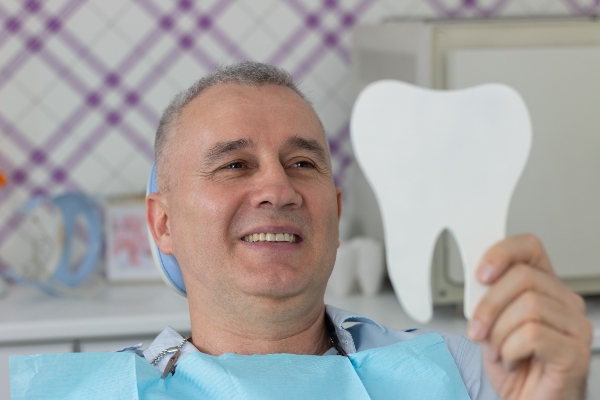
 Tooth decay occurs when bacteria in the mouth damage the tooth's enamel, causing cavities.
General dentistry practices can help prevent tooth decay and treat it to avoid the pain, infection, and potential tooth loss that can result from cavities.
Tooth decay occurs when bacteria in the mouth damage the tooth's enamel, causing cavities.
General dentistry practices can help prevent tooth decay and treat it to avoid the pain, infection, and potential tooth loss that can result from cavities.
What causes tooth decay?
Bacteria in the mouth is the cause of tooth decay. When these germs combine with food, plaque is formed. This sticky film uses starches and sugars from food and drinks to create acids, which attack the tooth's enamel. Plaque can eventually harden, forming tartar, which can also contribute to gum irritation and disease.
What are the symptoms of tooth decay?
In the early stages of tooth decay, symptoms may only be detectable with a thorough general dentistry examination. However, as the condition worsens, you may experience stains on the tooth's surface, sensitivity to hot or cold temperatures, toothache, and pain when eating sweets. Cavities are also symptoms of tooth decay, as are infections that can lead to the formation of an abscess. This is a pocket of pus that can result in fever, pain, and facial swelling.
Who is at risk?
A poor diet consisting of starches and sugars is one of the main risk factors for tooth decay, along with failure to visit a general dentistry office or properly care for the teeth. However, certain groups of people are at a higher risk for tooth decay, including the following:
- Babies and toddlers often develop tooth decay, particularly when they have bottles or sippy cups with milk or juice just before bed.
- Older adults often have worn teeth and receding gums, which increases the risk that exposed root surfaces will develop decay.
- Individuals who do not produce enough saliva due to diseases, cancer treatments, or medications are more prone to tooth decay.
How does general dentistry treat tooth decay?
There are a number of potential treatments for cavities and tooth decay. Your general dentistry office will likely recommend one of the following treatments based on your individual condition.
Fluoride treatments
Fluoride found in water and added to most brands of toothpaste can assist in enamel repair by replacing lost minerals. General dentistry offices can supplement your fluoride intake with a treatment that aids the enamel in self-repair.
Dental fillings
Issues with basic cavities can be repaired by general dentistry through removal of the decayed tissue and restoration of the tooth with a composite filling. Fillings can restore the tooth's functionality and appearance and can be expected to last several years.
Root canal
If the infection in the tooth extends to the pulp, a root canal may be needed. The general dentistry professional removes the decayed part of the tooth and fills it, replacing the tooth with a crown to strengthen the tooth and restore its appearance.
Tooth extraction
The most severe instances of tooth decay include irreparable damage to the tooth's pulp. In such a case, the dentist may elect to extract the tooth.
Conclusion
Tooth decay is common but preventable. A low-sugar diet, proper oral hygiene, and regular visits to the general dentistry office will help keep teeth healthy and free of decay.
Request an appointment or call Allure Dental Chicago at 312-509-9492 for an appointment in our Chicago office.
Related Posts
Practitioners of general dentistry provide a comprehensive list of dental procedures for patients. Your general dentist is your primary dental caretaker. Dentists evaluate tooth and gum health and treat cavities, abscesses, and dental abnormalities. As part of preventative treatment, dental professionals also perform teeth cleanings.Regular dental cleanings remove plaque, stains, and tartar from your teeth.…
A lot of general dentistry care is focused on the prevention of tooth decay. It is a common issue, and one that can be reversible in the early stages; however, if left untreated, it can become serious. Knowing the signs of tooth decay and understanding the risks of not giving it the proper care can…
With all the information circulating about sugar, you may wonder if avoiding sweet treats entirely benefits your oral health. As any general dentistry office will likely tell you, cutting sugar from your diet can have a significant positive impact on your teeth and gums.Your mouth is full of bacteria. This is not an entirely negative…


